Hồ Lắk: một khoảng nghỉ giữa cao nguyên
Buon Ma Thuot · Lak Lake · Jun village · Buon Ma Thuot
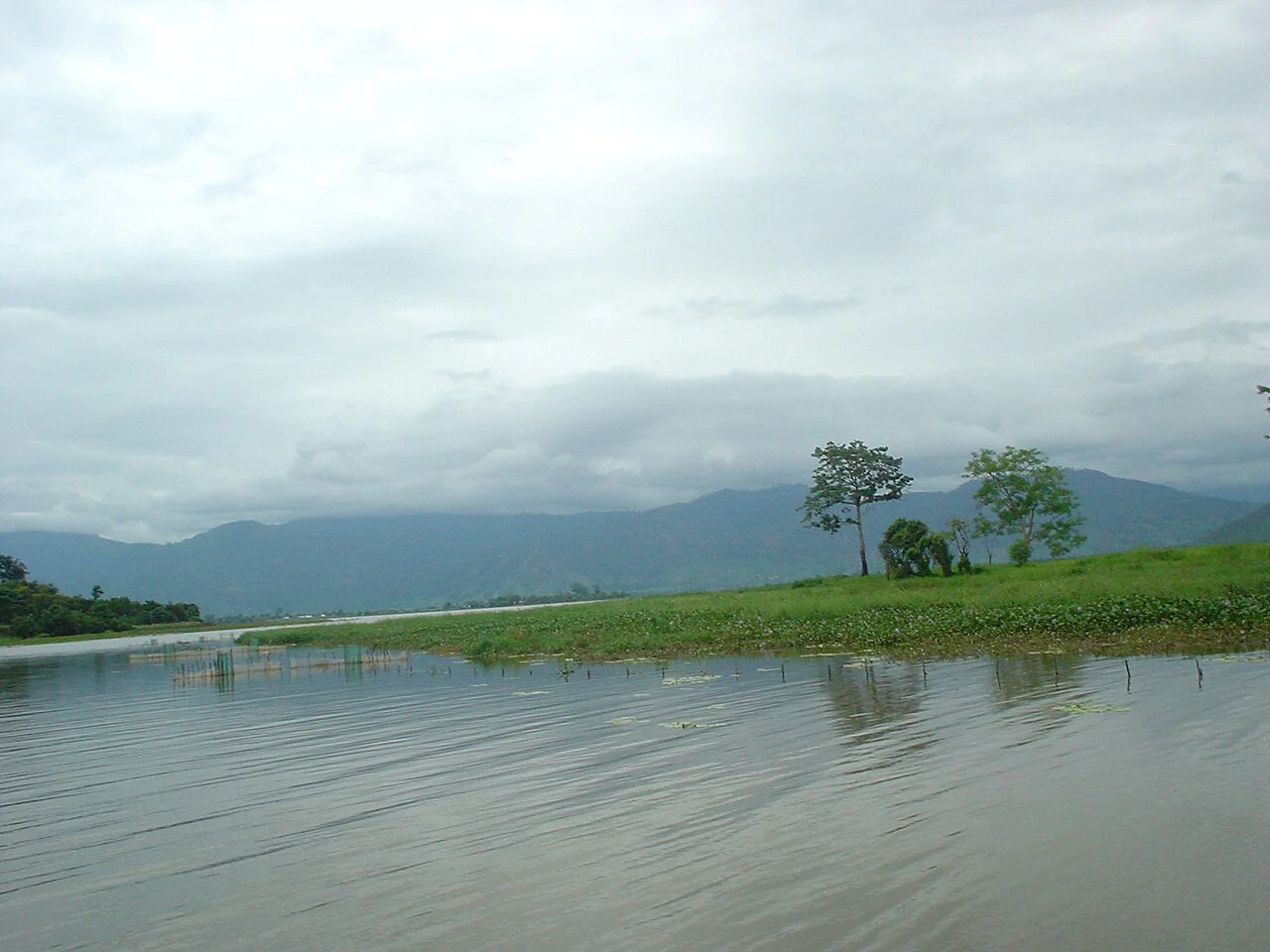
Ảnh minh họa vùng hoặc phương tiện, không phải điểm dừng cam kết. ©
Make the lake an overnight pause, not simply a roadside photograph. A village walk and a quiet morning beside the water break up longer days crossing the highlands.
The province is named after the lake
Đắk Lắk is M'Nông for the lake you are riding to. Đác is water and Lắk is the lake, and the whole province — 18,096 square kilometres and 3.3 million people since Phú Yên was merged into it on 12 June 2025, the third largest in Vietnam by area — carries the name of a single sheet of water fifty-six kilometres south of its capital. It deserves it. Lắk is the largest natural freshwater lake in the province and the second largest natural lake in the country after Ba Bể, more than five square kilometres of it, and the deepest natural lake in Vietnam — deeper than Biển Hồ in Gia Lai. The people who live on it say it has no bottom, or that it drains through the earth to Biển Hồ, and that it was made by a M'Nông hero called Lắk Liêng. The district around it was called Lạc Thiện for most of the twentieth century — one of the five that the French administration divided this province into in 1931, when the whole of Đắk Lắk held 440 villages.
Who lives on it
The villages on the shore are M'Nông, and the sub-group matters. The M'Nông Gar around Lắk speak what is regarded as the least mixed form of the language; the M'Nông RLăm, also here, absorbed so much from their Ê Đê neighbours that they took up wet rice, pottery, mat-weaving and the long stilt house, and their speech carries Ê Đê with it. The M'Nông are matrilineal: children take the mother's name, the wife holds the central position in the house without the husband being pushed aside, and old parents live with the youngest daughter. There were 127,334 M'Nông in Vietnam at the 2019 census. Buôn Jun is the village everyone visits; buôn M'Liêng, further round, is the oldest and the least arranged for visitors; buôn Lê is the third. Between them they still have long houses with thatch roofs and split-bamboo walls, and a herd of more than twenty elephants.
The emperor's hill
On the hill behind Liên Sơn stands the house Bảo Đại built to look at this. The last emperor came up to Đắk Lắk to shoot and to rest, and the villa on the ridge takes in almost the whole lake in one view; it went up in the same year as the Khải Đoan pagoda in Buôn Ma Thuột, and Empress Nam Phương personally handled the building of it. It is a plain house by imperial standards and the point of it is entirely the window. Since 1995 the lake, the villa and the forest around them have been a protected historical, cultural and environmental forest of 12,299 hectares, where surveys have recorded 548 plant species in 118 families, 132 birds, 61 mammals, 43 amphibians and reptiles and 43 kinds of fish, shrimp, crab and snail.
The elephants, and what to do about them
Elephants are the reason many people come here and the reason to think before you book. Đắk Lắk holds the largest elephant population in Vietnam — Bản Đôn alone is counted at roughly 80 to 110 wild and about 45 domesticated animals — and the province's own published plan is conservation rather than entertainment: a 200-hectare elephant conservation centre in Yok Đôn national park, support for keepers so that the animals breed, international cooperation on veterinary training, and a properly equipped elephant hospital. The herd at Lắk is over twenty animals, old, and not being replaced. Ride a dugout canoe instead, or walk. The village keeps the money either way, the gong music, the tơ rưng and the k'lông pút are what you actually came for, and the animal gets a day off.
How the two days work
Fifty-six kilometres down National Highway 27 and fifty-six back, plus a loop around the shore — call it a hundred and thirty, which is nothing, and that is the point. Highway 27 starts at the Hòa Bình junction on Highway 26 in Buôn Ma Thuột and runs all the way to Phan Rang, 290 kilometres of it, and this is the easy northern end: coffee, pepper, rice, then the Lạc Thiện pass, and about ten kilometres after it the lake appears on your right. Go down in the afternoon, stay the night, and give the morning to the water — the light on it before eight is the whole reason to sleep here rather than day-tripping. Fuel in Buôn Ma Thuột and again in Liên Sơn, and do not plan to be anywhere in a hurry. One curiosity of this highway: when the Nam Kar dam was built on the Krông Nô below the lake, the road had to be rebuilt around the reservoir, and Highway 27 got 35 to 40 kilometres longer than it used to be.
Chúng tôi tự dẫn chuyến đi này.
Hướng dẫn viên thuộc đội của chúng tôi, tuyến đường chúng tôi đã tự chạy, và bạn có một kênh trò chuyện với chúng tôi suốt chuyến đi.
- Hướng dẫn viên từ đội của chúng tôi
- Những tuyến đường chúng tôi đã tự chạy
- Xưởng của chúng tôi tại 5 thành phố và các xưởng đối tác
- Một kênh trò chuyện với chúng tôi suốt chuyến đi
- 16
- thành phố
- 24
- tour
- 71
- hành trình
- 6
- xưởng